Canada
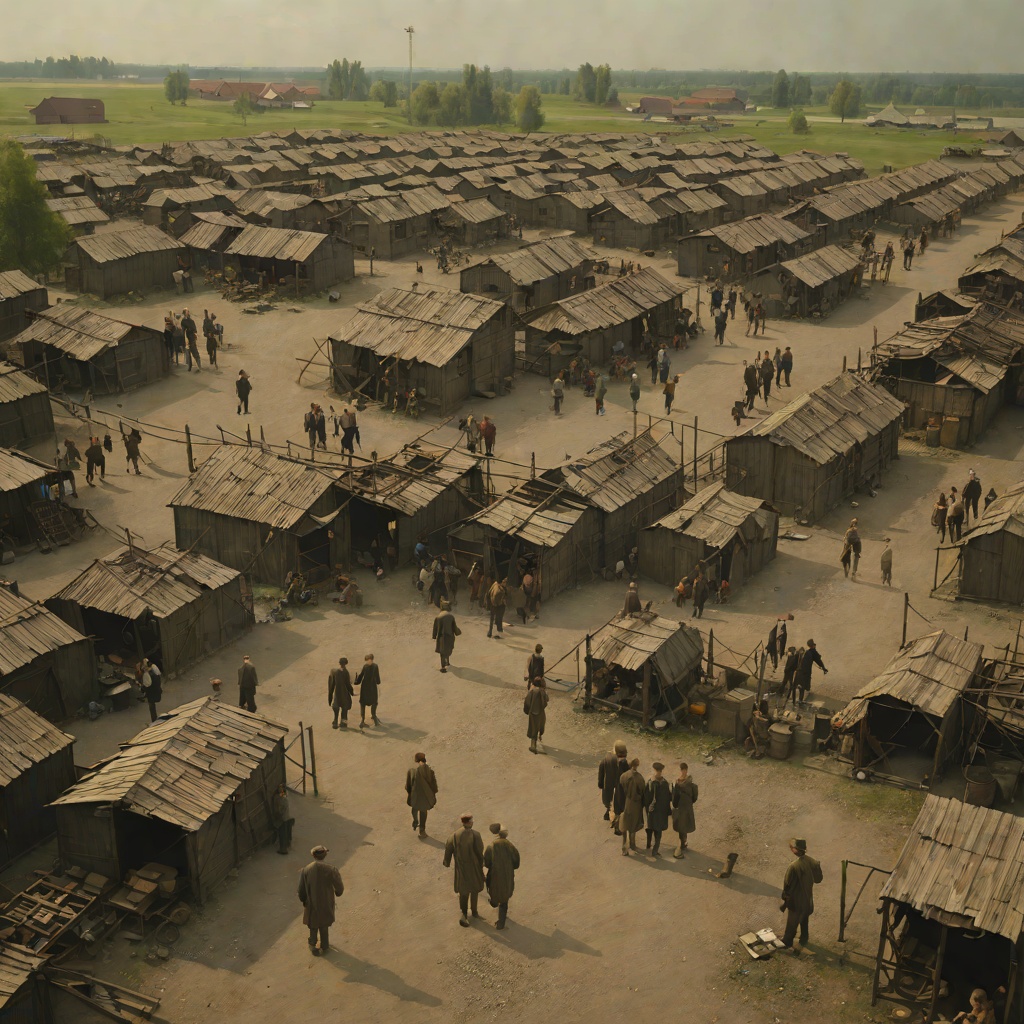
The Tattooist of AuschwitzCanada is the prisoners' ironic nickname for the sorting warehouses at Auschwitz-Birkenau, where the belongings confiscated from fellow victims were processed. The name carries a bitter dream: as Lale Sokolov learns when he asks a man in Block 7 why the sorting rooms are called that, "The girls who work there dream of a place far away where there is plenty of everything and life can be what they want it to be. They have decided Canada is such a place." The warehouses thus embody the starkest contrast in the camp — a place of relative plenty built entirely from the spoils of mass murder, where the promise of abundance is inseparable from the reality of theft and death.
Gita's Workplace and the First Letter
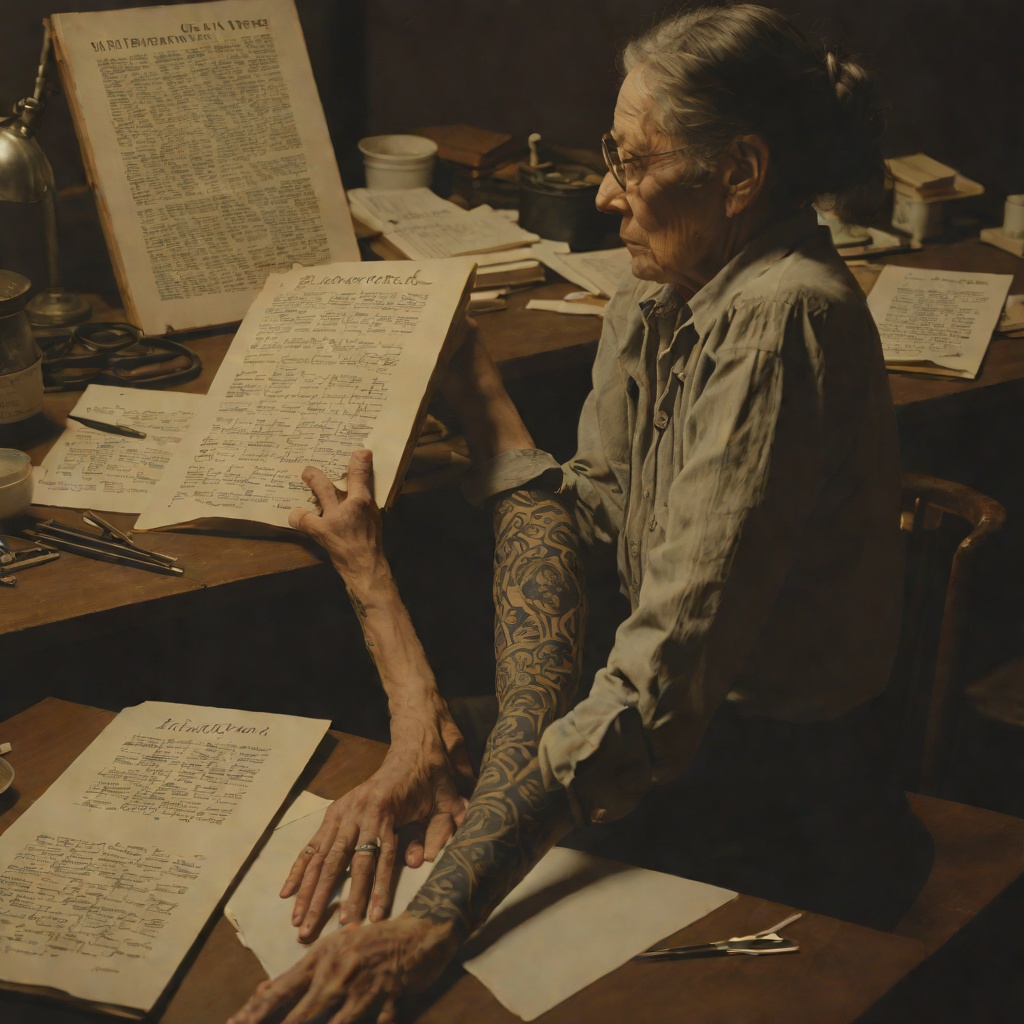
Gita Furman works in one of the Canada warehouses, sorting through the belongings confiscated from fellow victims. She has been in Auschwitz since early April, longer than Lale, and it is from this workplace that she writes him his first letter. In it she tells him she is also from Slovakia, that she works in Canada, and that she will be in the compound on Sunday and will look for him. Lale rereads the note, turns the paper over several times, and scribbles in bold on the back of her letter: "Your name, what is your name?" This exchange marks the beginning of their relationship, and Canada is the physical setting from which Gita reaches out to him.
The Smuggling Operation
Canada becomes the center of Lale's black-market smuggling operation. He learns which of the Canada buildings Gita does not work in by speaking to a couple of the girls as they return to their block in the afternoon, and by checking everyone exiting many times. Knowing she must work in one of the other buildings he cannot easily access, he approaches two girls he has spoken to before, withdraws two parcels of sausage from his bag, and instructs them: "I want you to put out one of your hands, but do it slowly. I'm going to give you a parcel of sausage. Do not open it until you're alone." This careful, covert distribution system allows him to pass food and other goods to Gita and her friends without drawing attention.
A Place of Refuge in Illness
Canada also serves as a place of refuge when Gita falls ill. Lale instructs her friend Dana: "Tomorrow morning take her, however you can—carry, drag, whatever—take her to the Canada. Hide her there among the clothes in the day, try to get as much water into her as you can, then bring her back to your block for roll call. You might have to do this for a few days until I can get medicine, but you must do it. It's the only way to stop her from being taken to the hospital." Dana agrees, saying Ivana will help, but insists that Gita must have medicine. The Canada warehouses, with their piles of confiscated clothing, thus become a hiding place where a sick prisoner can be concealed from the deadly hospital selection — a fragile sanctuary built from the very goods of the dead.
The Dream of Plenty and the Reality of Death
The name Canada encapsulates the prisoners' psychological survival strategy: the girls who work there imagine a distant land of abundance where life can be what they want it to be. Yet the warehouses are filled with the belongings of those who will never return — clothing, books, and personal effects stripped from victims. The irony is that this dream of plenty is sustained entirely by the machinery of murder. Lale, who clings to his suitcase on the cattle train hoping his money and clothes might buy him out of wherever he is headed, later finds himself navigating this world of confiscated goods, using its resources to sustain himself and those he loves. Canada thus stands as the camp's most concentrated symbol of the collision between human hope and industrialized atrocity — a place where the dream of a better life is built on the wreckage of countless others.